
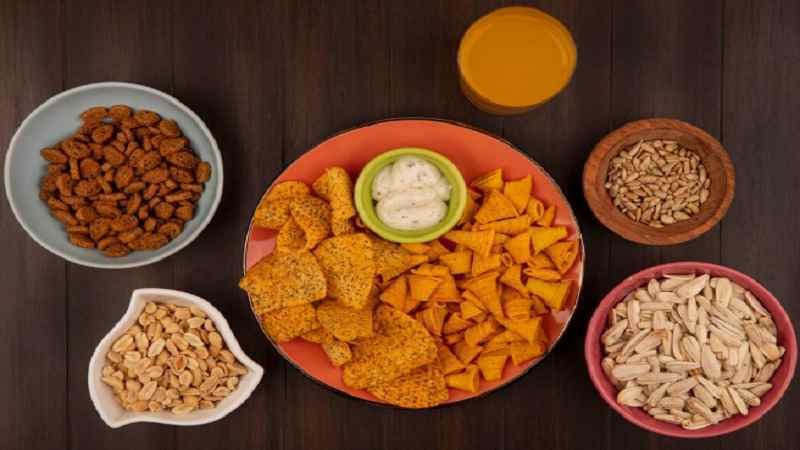
Snacking is part of modern life. Whether at work, school, or home, many people reach for quick bites between meals. However, frequent consumption of unhealthy snacks fhthgoodfood can negatively affect your energy, weight, and overall health. These snacks are often convenient and tasty but offer little nutritional value.
The good news is that you don’t need to stop snacking completely. With better awareness and a few practical steps, you can reduce unhealthy choices and replace them with options that support your well-being.
What Are Unhealthy Snacks?
Unhealthy snacks are foods that are high in calories, sugar, salt, and unhealthy fats while being low in fiber, protein, vitamins, and minerals. They may provide temporary satisfaction, but they don’t keep you full for long and can lead to overeating.
Typical features of unhealthy snacks fhthgoodfood include:
-
Added sugars in large amounts
-
Refined flour instead of whole grains
-
Artificial flavors and preservatives
-
High sodium content
-
Deep-fried or heavily processed ingredients
Eating these snacks occasionally is not harmful, but relying on them daily can create long-term health problems.
Common Examples of Unhealthy Snacks
Recognizing these foods helps you make more informed choices.
Sugary Treats
Candy, chocolates, donuts, pastries, and sweet biscuits are loaded with sugar and refined flour. They cause quick energy spikes followed by crashes.
Salty Packaged Snacks
Chips, cheese balls, instant noodles, and packaged crackers often contain excess salt and unhealthy oils.
Fried Street Foods
Fried snacks such as fries, pakoras, or other deep-fried items may be filling but are high in unhealthy fats and calories.
Sugary Drinks
Sodas, energy drinks, and sweetened fruit juices act like snacks in liquid form. They add sugar without providing fullness.
These are everyday examples of unhealthy snacks fhthgoodfood that can easily become routine.
How Unhealthy Snacking Affects Your Health
1. Weight Gain
Most unhealthy snacks are calorie-dense but not filling, making it easy to eat more than your body needs.
2. Energy Crashes
High-sugar snacks raise blood sugar quickly and then cause a drop, leaving you feeling tired and hungry again.
3. Poor Nutrition
Replacing nutritious foods with junk snacks means missing important nutrients like fiber, protein, vitamins, and minerals.
4. Increased Disease Risk
Frequent intake of processed snacks may increase the risk of heart disease, high blood pressure, and type 2 diabetes over time.
Practical Step 1: Read Nutrition Labels Carefully
Learning to read labels is one of the best ways to avoid unhealthy snacks fhthgoodfood.
Check the ingredient list: Ingredients are listed in order of quantity. If sugar, white flour, or hydrogenated oils are near the top of the list, the snack is likely unhealthy.
Watch for hidden sugars: Sugar may appear as corn syrup, glucose, fructose, or maltose.
Look at sodium levels: Many savory snacks contain more salt than you realize.
Understand portion sizes: A small packet might contain two or more servings, which doubles the calories and sugar you consume.
Practical Step 2: Plan Snacks Ahead of Time
When you are very hungry, you are more likely to choose unhealthy foods. Planning helps you stay on track.
Healthy snack ideas:
-
Fresh fruits like apples, bananas, or oranges
-
A handful of almonds or peanuts
-
Yogurt with fruit
-
Boiled eggs
-
Roasted chickpeas
Keeping these options ready reduces your dependence on unhealthy snacks fhthgoodfood.
Practical Step 3: Practice Mindful Snacking
Mindless eating often leads to overeating.
-
Avoid eating directly from large packets
-
Sit down and focus on your snack instead of watching TV
-
Eat slowly and notice when you feel satisfied
-
Ask yourself if you are truly hungry or just bored
Mindful habits can greatly reduce unnecessary snacking.
Practical Step 4: Replace, Don’t Just Remove
Instead of simply cutting out snacks you enjoy, find better alternatives.
| Unhealthy Option | Better Choice |
|---|---|
| Potato chips | Air-popped popcorn |
| Candy | A few dates or dark chocolate |
| Sugary drinks | Lemon water or herbal tea |
| Cream-filled biscuits | Whole-grain toast with peanut butter |
| Ice cream every day | Fruit smoothie or frozen yogurt |
These swaps allow you to enjoy food while reducing unhealthy snacks fhthgoodfood in your daily routine.
Practical Step 5: Change Your Food Environment
Your surroundings influence your eating habits.
-
Keep fruits visible and ready to eat
-
Store junk food out of sight
-
Avoid buying large packs of unhealthy snacks
-
Carry healthy snacks when going out
Small environmental changes make healthy choices easier.
Helping Children Make Better Snack Choices
Children are often attracted to colorful packaging and sweet flavors. Parents can guide healthier habits by:
-
Offering fruits with fun shapes or dips
-
Preparing homemade snacks instead of buying packaged ones
-
Limiting sugary drinks
-
Being a role model with their own food choices
Reducing children’s exposure to unhealthy snacks fhthgoodfood helps build lifelong healthy habits.
A Balanced Approach to Snacking
Healthy eating does not mean never enjoying your favorite treats. A balanced mindset is more sustainable.
-
Follow an 80/20 approach: Eat nutritious foods most of the time
-
Enjoy small portions of your favorite snacks occasionally
-
Avoid guilt after eating treats; focus on overall habits
Balance prevents feelings of restriction and reduces cravings.
When to Seek Professional Advice
If you experience constant cravings, emotional eating, or difficulty managing weight, consider consulting a registered dietitian or healthcare provider. Personalized advice can help you develop safe and effective eating habits.
Trustworthy health information and expert support are essential for long-term success.
Final Thoughts
Frequent consumption of unhealthy snacks fhthgoodfood can impact your energy, mood, and long-term health. However, you don’t have to give up snacking. By reading labels, planning ahead, making simple swaps, and practicing mindful eating, you can enjoy snacks while still supporting your well-being.
Small changes made consistently lead to lasting results. Start with one or two steps today, and gradually build healthier snacking habits for the future.