
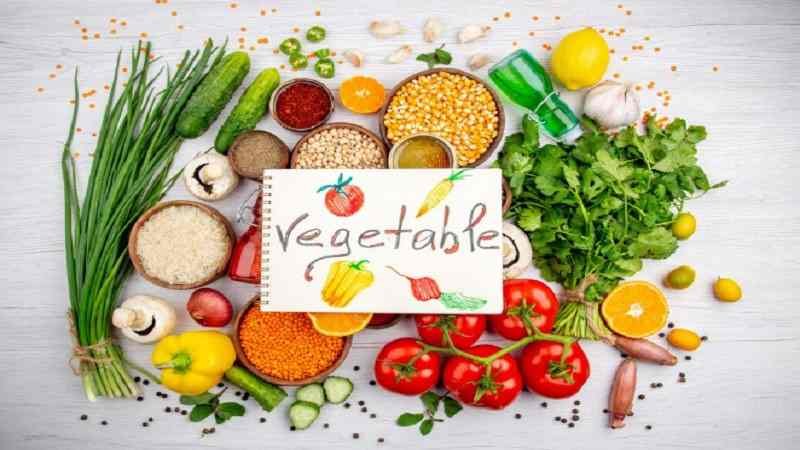
Good nutrition is the foundation of a healthy, energetic, and balanced life. In today’s fast-paced world, people often rely on processed foods, irregular eating habits, and misleading diet trends, which can negatively affect overall health. This is where advice on nutrition fhthgoodfood becomes essential, as it focuses on practical, sustainable, and science-based eating habits that support long-term wellness rather than short-term results.
This article provides a detailed and easy-to-understand guide to nutrition, covering essential food groups, healthy eating habits, meal planning, and lifestyle choices. By following these principles, you can improve your physical health, mental clarity, and daily energy levels.
Understanding the Basics of Nutrition
Nutrition is the process by which our body takes in food and uses it for growth, repair, and energy. A healthy diet supplies the body with essential nutrients, including carbohydrates, proteins, fats, vitamins, minerals, and water. Each nutrient plays a unique role in maintaining bodily functions.
When following advice on nutrition fhthgoodfood, the focus is not on extreme dieting but on balance and consistency. Instead of eliminating food groups, it encourages choosing high-quality, nutrient-dense foods that nourish the body and support overall health.
The Importance of a Balanced Diet
A balanced diet includes a variety of foods from all major food groups. Each group contributes specific benefits:
-
Carbohydrates provide energy and should come mainly from whole grains, fruits, and vegetables.
-
Proteins help build and repair tissues and are found in lean meats, fish, eggs, legumes, and dairy.
-
Healthy fats support brain health and hormone production, especially from sources like nuts, seeds, and natural oils.
-
Vitamins and minerals regulate body processes and strengthen immunity.
-
Water is essential for digestion, circulation, and temperature control.
Following advice on nutrition fhthgoodfood means understanding portion control and food quality. Eating the right amount of nutritious food helps prevent deficiencies, obesity, and chronic diseases while supporting steady energy throughout the day.
Choosing Whole and Natural Foods
One of the key principles of healthy nutrition is prioritizing whole and minimally processed foods. These foods retain their natural nutrients and are free from unnecessary additives.
Examples of whole foods include:
-
Fresh fruits and vegetables
-
Whole grains like oats and brown rice
-
Lean proteins such as fish, chicken, and plant-based options
-
Natural fats from nuts, seeds, and avocados
By applying advice on nutrition fhthgoodfood, individuals learn to reduce their intake of processed foods that are high in sugar, salt, and unhealthy fats. Over time, this shift improves digestion, supports heart health, and enhances overall well-being.
Meal Timing and Eating Habits
Healthy nutrition is not only about what you eat but also how and when you eat. Regular meal timing helps maintain stable blood sugar levels and prevents overeating.
Some effective habits include:
-
Eating breakfast to kick-start metabolism
-
Having balanced meals at regular intervals
-
Avoiding late-night heavy meals
-
Practicing mindful eating without distractions
According to advice on nutrition fhthgoodfood, mindful eating plays a crucial role in digestion and satisfaction. Paying attention to hunger cues and eating slowly allows the body to recognize fullness, reducing the risk of overeating.
The Role of Nutrition in Mental and Physical Health
Good nutrition directly affects both physical and mental health. Nutrient-rich foods support brain function, mood stability, and emotional well-being. Diets lacking essential nutrients may lead to fatigue, poor concentration, and weakened immunity.
Physical benefits of proper nutrition include:
-
Stronger immune system
-
Improved muscle strength and recovery
-
Better weight management
-
Reduced risk of chronic diseases
By following advice on nutrition fhthgoodfood, individuals can create a positive relationship with food, viewing it as fuel for both body and mind rather than a source of stress or guilt.
Lifestyle Factors That Support Good Nutrition
Nutrition works best when combined with healthy lifestyle choices. Regular physical activity, proper sleep, and stress management all influence how the body processes nutrients.
Key lifestyle tips include:
-
Staying physically active to improve metabolism
-
Getting adequate sleep for hormonal balance
-
Managing stress to prevent emotional eating
-
Staying hydrated throughout the day
Incorporating these habits alongside advice on nutrition fhthgoodfood leads to sustainable health improvements and long-term vitality.
Conclusion: Building a Sustainable Healthy Diet
Healthy eating is a lifelong journey, not a temporary solution. The goal is to develop habits that are realistic, enjoyable, and adaptable to individual needs. A nutritious diet should support your lifestyle, cultural preferences, and personal goals.
By understanding food groups, choosing whole foods, practicing mindful eating, and maintaining a balanced lifestyle, anyone can achieve better health. Most importantly, advice on nutrition fhthgoodfood emphasizes consistency over perfection, encouraging small, positive changes that lead to lasting results.